Home
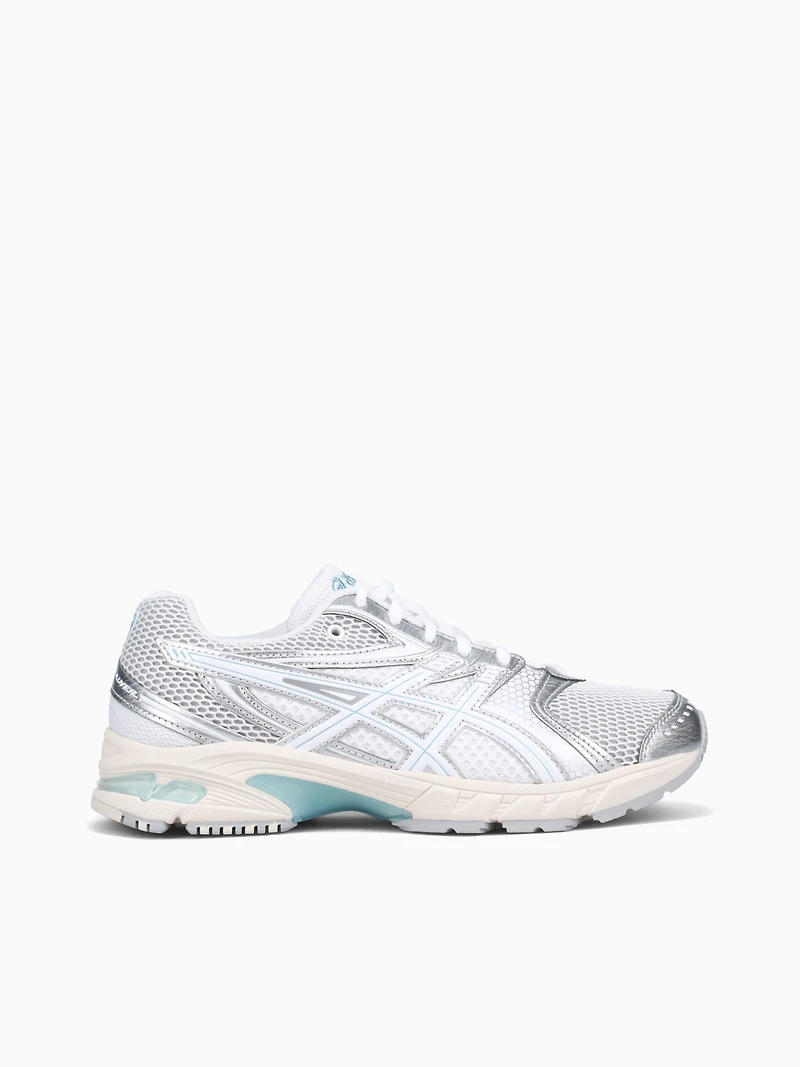
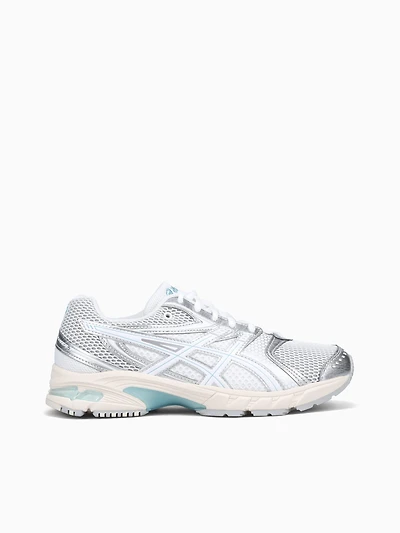
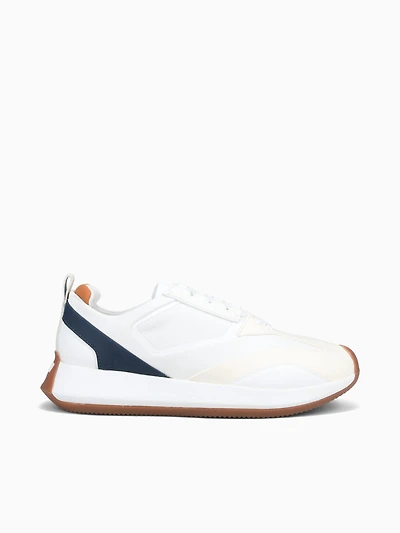
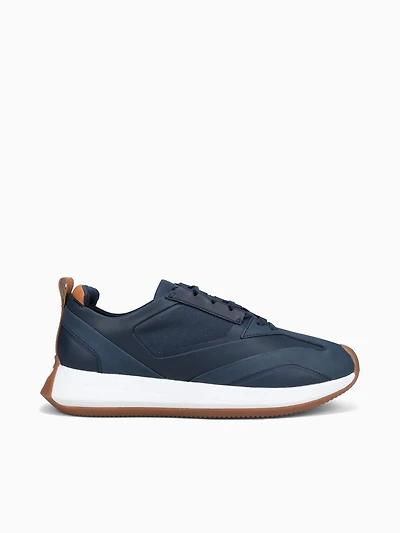
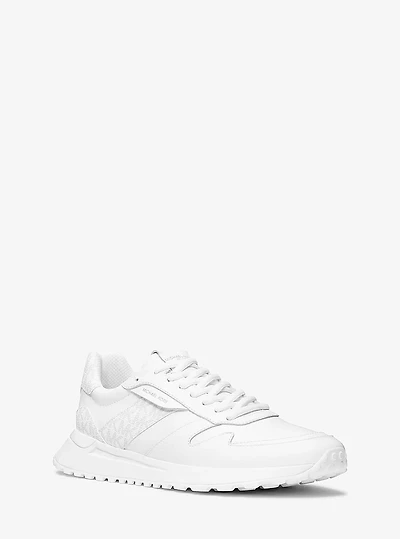
Gelds Trainer White Still water leather
Galeria
Gelds Trainer White Still water leather in San Juan, PR
By Asics

Galeria
Gelds Trainer White Still water leather in San Juan, PR
Color: White
Size: M7 / W8.5
The GEL-DS TRAINER® 14 sneaker harmonizes key design elements from the late 2000s with comfort and versatility for everyday scenarios.
Distinguishing features on the upper include the shoe's iconic quarter-panel design and open mesh paneling. These details give the shoe a dynamic aesthetic that's representative of running models from this era.
The tooling shape's features a sleeker construction that's met with comfortable cushioning properties. Its lightweight design is also paired with a TRUSSTIC® support unit for stability and rearfoot GEL® technology for impact absorption.
Asymmetric upper construction
Breathble mesh underlays
Rearfoot GEL® technology
TRUSSTIC® support system
Helps improve stability
At least 30% of the upper's synthetic fiber is made with recycled materials
The sockliner is produced with the solution dyeing process that reduces water usage by approximately 33% and carbon emissions by approximately 45% compared to the conventional dyeing technology
The GEL-DS TRAINER® 14 sneaker harmonizes key design elements from the late 2000s with comfort and versatility for everyday scenarios.
Distinguishing features on the upper include the shoe's iconic quarter-panel design and open mesh paneling. These details give the shoe a dynamic aesthetic that's representative of running models from this era.
The tooling shape's features a sleeker construction that's met with comfortable cushioning properties. Its lightweight design is also paired with a TRUSSTIC® support unit for stability and rearfoot GEL® technology for impact absorption.
Asymmetric upper construction
Breathble mesh underlays
Rearfoot GEL® technology
TRUSSTIC® support system
Helps improve stability
At least 30% of the upper's synthetic fiber is made with recycled materials
The sockliner is produced with the solution dyeing process that reduces water usage by approximately 33% and carbon emissions by approximately 45% compared to the conventional dyeing technology